Confronting Flexing Society in the Digital Age Through Muhammad Iqbal’s Philosophy of Morals
DOI:
https://doi.org/10.20871/kpjipm.v12i1.580Keywords:
Consumerism, Digital Age, Flexing Society, Iqbal’s Moral Philosophy, Moral DegradationAbstract
This research aims to explain that in the digital age, society is confronted with a flexing society. This phenomenon occurs because the moral and value system governing social life has been reduced to mere commodities measured primarily by the ownership of goods. This study identifies an interconnectedness between contemporary capitalism, social media, and consumerism and their collective role in eroding moral foundations and individual self-determination. A primary consequence of consumerism is the erosion of moral standards and the emergence of a culture of conspicuous consumption. This flexing society, facilitated by social media, subsequently degrades morality and autonomy, as individuals become trapped in the pursuit of illusory goals shrouded within a world of hyper-reality. Through the lens of Jean Baudrillard’s simulacra and the moral philosophy of Sir Muhammad Iqbal, this study specifically constructs a unique normative philosophical argument regarding the restoration of existential selfhood amidst the encroachment of hyper-reality. Using qualitative methods and hermeneutic interpretation of Gadamer’s philosophy, this study demonstrates that Iqbal’s concept of khudī is not merely a theological idea, but rather an instrument of ontological resistance capable of deconstructing the entrapment of individuals within the algorithmic image, as their lives are trapped in the pursuit of an illusory reality veiled within the world of hyperreality. This research concludes the importance of a moral framework that is holistic, integral, and objective through Iqbal’s framework, which offers a solution to digital alienation while repositioning the autonomous human being as a creator of meaning, not merely an object of simulated consumption.
Downloads
References
Agustina, Tri Puspa, Rachel Meriah Piouli M, Vieronica Varbi Sununianti, Istiqoma, and Deni Aries Kurniawan. 2025. “Masyarakat Simulasi dan Simulakra Jean Baudrillard dalam Dinamika Budaya Konsumsi Berlebihan Masyarakat Postmodern.” An-Nas: Jurnal Humaniora 9 (1): 108–26. https://doi.org/10.32665/annas.v9i1.4478.
Aji, Fajar Bayu, and Naupal Asnawi Tohir. 2020. “Refleksi Kritis Atas Degradasi Autentisitas Masyarakat Media.” Jurnal Komunikasi 14 (2): 169–82. https://doi.org/10.20885/komunikasi.vol14.iss2.art5.
Schimmel, Annemarie. 1975. Mystical Dimensions of Islam. University of North Carolina Press.
Armawi, Armaidy. 2017. “Dari Konsumerisme ke Konsumtivisme (Dalam Perpektif Sejarah Filsafat Barat).” Jurnal Filsafat 17 (3): 314–23. https://doi.org/10.22146/jf.23090.
Arsyul, Asep Ahmad. 2024. “Mencari Kebebasan dalam Tasawuf: Telaah Kritis Konsep Mahabbah.” Hikamia: Jurnal Pemikiran Tasawuf dan Peradaban Islam 4 (2): 28–41. https://doi.org/10.58572/hkm.v4i2.92.
Azad, Null Hasan. 2014. “Reconstructing the Muslim Self: Muhammad Iqbal, Khudi, and the Modern Self.” Islamophobia Studies Journal 2 (October): 14–28. https://doi.org/10.13169/islastudj.2.2.0014.
Bakti, Indra Setia, Anismar Anismar, and Khairul Amin. 2020. “Pamer Kemewahan: Kajian Teori Konsumsi Thorstein Veblen.” Jurnal Sosiologi USK (Media Pemikiran & Aplikasi) 14 (1): 81–98. https://doi.org/10.24815/jsu.v14i1.18109.
Bakti, Indra Setia, Nirzalin Nirzalin, and Alwi Alwi. 2019. “Konsumerisme dalam Perspektif Jean Baudrillard.” Jurnal Sosiologi USK (Media Pemikiran & Aplikasi) 13 (2): 147–66. https://doi.org/10.24815/jsu.v13i2.15925.
Bamazruk, Abdul Halim, Kenan Yudhistira, Kevin Yuriko Hartanto, Purwanto Putra, Ahmad Riza Faizal, and Zaimasuri Zaimasuri. 2025. “Budaya Flexing di Tiktok: Dampaknya Terhadap Perilaku Konsumtif dan Kesehatan Mental Pada Mahasiswa Universitas Lampung.” Triwikrama: Jurnal Ilmu Sosial 8 (5): 11–20. https://doi.org/10.9963/mymv2q03.
Baudrillard, Jean. 1994. Simulacra and Simulation. Translated by Sheila Faria Glaser. University of Michigan Press.
Baudrillard, Jean. 1998. The Consumer Society: Myths and Structures. SAGE Publications.
Bauman, Zygmunt. 2007. Consuming Life. Polity.
Bauman, Zygmunt, and Leonidas Donskis. 2015. Ceguera Moral: La Pérdida de Sensibilidad En La Modernidad Líquida. Paidos.
Best, Steven, and Douglas Kellner. 1999. “Debord, Cybersituations, and the Interactive Spectacle.” SubStance 28 (3): 129–56.
Bhaskar, Roy. 2013. A Realist Theory of Science. Routledge.
Bodislav, Dumitru Alexandru, and Raluca Iuliana Georgescu. 2025. “Consumerism and Capitalism: Dynamic Evolution, Economic Benefits, and Ethical Challenges.” Theoretical & Applied Economics 32 (1): 251–66.
Browne, M Neil, and Stuart M Keeley. 2007. Asking the Right Questions: A Guide to Critical Thinking. Pearson Education.
Dalgliesh, Bregham. 2014. “Zygmunt Bauman and the Consumption of Ethics by the Ethics of Consumerism.” Theory, Culture & Society 31 (4): 97–118. https://doi.org/10.1177/0263276413508447.
Davis, Jenny L. 2016. “Identity Theory in a Digital Age.” In New Directions in Identity Theory and Research, edited by Jan E. Stets and Richard T. Serpe. Oxford University Press.
Debord, Guy. 2024. The Society of the Spectacle. Translated by Ken Knabb. PM Press.
Faiza, Naila, Mirna Nur Alia Abdullah, and Muhammad Retsa Rizaldi Mujayapura. 2025. “Budaya Konsumtif di Era Digital: Strategi Kapitalisme dalam Menciptakan Kebutuhan Semu.” Titian: Jurnal Ilmu Humaniora 9 (1): 13–26. https://doi.org/10.22437/titian.v9i1.42847.
Firman, Arham Junaidi, Akhmat Noor Syofik, and Anis Rahmawati. 2021. “Muhammad Iqbal’s Creativity Concept and Its Implementation in Students’ Psychological Understanding: Konsep Kreativitas Muhammad Iqbal dan Implementasinya dalam Pemahaman Psikologi Peserta Didik.” Journal of Contemporary Islamic Education 1 (2): 76–88. https://doi.org/10.25217/cie.v1i2.1594.
Firmansyah, Teuku Ryan, Khoirul Muttaqin, Layli Hidayah, and Itznaniyah Umie Murniatie. 2024. “The Hyperreality and Simulacra Theory of Jean Baudrillard: On Fashion Trends in Tiktok.” ELite Journal: International Journal of Education, Language and Literature 4 (2): 27–34. https://doi.org/10.26740/elitejournal.v4n2.p27-34.
Firmansyah, Wahyu, and Heny Subandiyah. 2025. “Gaya Hidup Konsumerisme dan Simulakra Tokoh dalam Novel Home Sweet Loan Karya Almira Bastari: Kajian Jean Baudrillard.” Bapala: Jurnal Pendidikan Bahasa dan Sastra Indonesia 12 (2): 305–15.
Foot, Philippa. 2003. Natural Goodness. Oxford University Press.
Frager, Robert. 2014. Psikologi Sufi. Translated by Hasmiyah Rauf. Zaman.
Francot, L. M. A. 2014. “Dealing with Complexity, Facing Uncertainty: Morality and Ethics in a Complex Society.” Archiv Für Rechts- Und Sozialphilosophie 100 (2): 201–18. https://doi.org/10.25162/arsp-2014-0015.
Groff, Ruth. 2004. Critical Realism, Post-Positivism and the Possibility of Knowledge. Routledge.
Hartono, Langit Gemintang Muhammad. 2024. “Individualitas yang Terawasi: Dinamika Flexing pada Gen Z di Instagram.” Jurnal Studi Pemuda 12 (2): 132–45. https://doi.org/10.22146/studipemudaugm.95522.
Hayani, Fitri, Syamsir, Afrina Welni, et al. 2025. “Analisis Penggunaan Media Sosial Terhadap Gaya Hidup Generasi Gen Z.” Edu Research 6 (1): 2184–93. https://doi.org/10.47827/jer.v6i1.746.
Herbert, Claire. 2024. “Moral Fictionalism vs Moral Abolitionism: Why It Makes No Sense to Continue Talking About Objective Morality If We No Longer Believe It Exists.” Prolegomena: Časopis Za Filozofiju 23 (1): 43–64. https://doi.org/10.26362/20240103.
Heriyanto, Husain. 2013. “Solipsisme dan Fenomenalisme: Dua Kutub Ekstrim Kantian yang Mengoyak Spiritualitas.” Kanz Philosophia: A Journal for Islamic Philosophy and Mysticism 3 (1): 35–58.
Hidayat, Wildan. 2022. “Problematika Selfie Perspektif Hadits Nabi: (Tela’ah Pemikiran Hadis Kontemporer Yusuf Al-Qardawi).” Ulil Albab: Jurnal Ilmiah Multidisiplin 1 (7): 1970–81.
Hookway, Nicholas. 2013. “Emotions, Body and Self: Critiquing Moral Decline Sociology.” Sociology 47 (4): 841–57. https://doi.org/10.1177/0038038512453787.
Huda, Muhammad Nurul. 2020. “Realisme Kritis Roy Bhaskar: ‘Pelayan’ Filosofis untuk Ilmu-Ilmu Sosial Emansipatoris.” Muqoddima: Jurnal Pemikiran dan Riset Sosiologi 1 (1): 43–76. https://doi.org/10.47776/mjprs.001.01.04.
Inayati, Anindya Aryu. 2021. “Epistemologi Hukum Islam Sir Muhammad Iqbal: Kajian Filosofis Hukum Islam.” Ulumul Syar’i: Jurnal Ilmu-Ilmu Hukum dan Syariah 10 (1): 38–50. https://doi.org/10.52051/ulumulsyari.v10i1.124.
Iqbal, Mohammad. 1934. The Reconstruction of Religious Thought In Islam. Oxford University Press.
Iqbal, Sir Mohammad. 1983. Secrets of the Self: Askar-I-Khudi. Muhammad Ashraf.
Istijanto, and Ambara Purusottama. 2023. “Is Traditional Media Communication Less Effective than Social Media and Personal Selling for Brand Building? Empirical Evidence from a Cosmetics Brand in Indonesia.” Cogent Social Sciences 9 (2): 2276620. https://doi.org/10.1080/23311886.2023.2276620.
Ren, Jiawen. 2025. “Simulacra and Digital Media: A Study on Baudrillard’s Media Theory.” Communications in Humanities Research 57 (May): 105–11. https://doi.org/10.54254/2753-7064/2025.22828.
Jaelani, Jejen, Tri Sulistianingtyas, and Dana Waskita. 2012. “Perubahan Cara Pandang dan Sikap Masyarakat Kota Bandung Akibat Pengaruh Gaya Hidup Digital.” Jurnal Sosioteknologi 11 (27): 156–67.
Joyce, Richard, and Richard Garner. 2018. The End of Morality: Taking Moral Abolitionism Seriously. Routledge.
Khayati, Nur, Dinda Apriliyanti, Victoria Nastacia Sudiana, Aji Setiawan, and Didi Pramono. 2022. “Fenomena Flexing di Media Sosial sebagai Ajang Pengakuan Kelas Sosial dengan Kajian Teori Fungsionalisme Struktural.” Jurnal Sosialisasi: Jurnal Hasil Pemikiran, Penelitian dan Pengembangan Keilmuan Sosiologi Pendidikan 9 (2): 113–21. https://doi.org/https://doi.org/10.26858/sosialisasi.v1i2.32543.
Krellenstein, Marc. 2022. “Adopting Moral Abolitionism.” Academia Letters, ahead of print, January 1. https://doi.org/10.20935/al5298.
Kusumawati, Nina, Muhammad Ichsan, and Lukman Lukman. 2022. “Konsumerisme di Era Digital dalam Iklan Layanan Masyarakat ‘Perilaku Konsumtif.’” Propaganda 2 (2): 195–204. https://doi.org/10.37010/prop.v2i2.708.
Li, Wanxian, and Jinguo Ye. 2017. “Natural Belief Based Ethics Toward Sustainable Development.” OIDA International Journal of Sustainable Developmen 10 (5): 49–54.
MacIntyre, Alasdair C. 2007. After Virtue: A Study in Moral Theory. University of Notre Dame Press.
Maitre, Luce-Claude. 1981. Introduction to the Thought of Iqbal. Translated by Mulla Abdul Majeed Dar. Iqbal Academy Pakistan.
Zholmukhan, Tansholpan, and Nurlan Kairbekov. 2024. “Features of the Culture-Building Approach to the Study of the Development of the Educational Potential of the Person in the Context of Spiritual and Moral Knowledge in Islam.” Адам Әлемі 99 (1): 161–71. https://doi.org/10.48010/aa.v99i1.454.
Mela, Lia. 2024. “Life’s Journeys: MacIntyre’s Idea of Life as Enacted Narrative.” Ethics, Politics & Society 7 (2): 78–102. https://doi.org/10.21814/eps.7.2.5820.
Monica, Sely, Naomi Prilda Siagian, and Atika Rokhim. 2022. “Analisis Budaya Konsumerisme dan Gaya Hidup di Kalangan Remaja Akibat Pengaruh Media Sosial di Kota Tanjungpinang.” Jurnal Indonesia Sosial Sains 3 (08): 1198–204. https://doi.org/10.59141/jiss.v3i08.676.
Mukhlis, Meutia Irina, and Naupal Asnawi. 2023. “The Logic of Morality in the Network Society: A Criticism.” Proceedings of the Fourth Asia-Pacific Research in Social Sciences and Humanities, Arts and Humanities Stream (AHS-APRISH 2019), May 29, 41–56. https://doi.org/10.2991/978-2-38476-058-9_5.
Lidinillah, Mustofa Anshori. 2000. “Agama dan Aktualisasi Diri dalam Perspektif Filsafat Muhammad Iqbal (1873-1938).” Jurnal Filsafat 10 (2): 244–57. https://doi.org/10.22146/jf.31349.
Pasenrigading, Andi Riola, Haerani Nur, and Muhammad Daud. 2025. “Pengaruh Media Sosial Terhadap Persepsi Diri dan Pembentukan Identitas Remaja.” Socius: Jurnal Penelitian Ilmu-Ilmu Sosial 2 (9): 68–81. https://doi.org/10.5281/zenodo.15290940.
Potter, Garry. 2007. “Critical Realism and God.” In Critical Realism and the Social Sciences: Heterodox Elaborations, edited by Jon Frauley and Frank Pearce. University of Toronto Press.
Rahmawati, Irma Nur, Nur Rahmadani Fitri, and Herlini Puspika Sari. 2024. “Membangun Pendidikan Karakter Melalui Filosofi Muhammad Iqbal Tentang Insan Kamil.” QOUBA: Jurnal Pendidikan 1 (1): 149–56. https://doi.org/10.61104/qouba.v1i1.138.
Hussain, Rizwan. 2025. “A Critical Re-Exploration of Dr. Muhammad Iqbal’s Philosophical, Political, and Economic Contributions.” Islamic Political Thought 12 (2): 129–51. https://doi.org/10.30497/ipt.2025.77869.
Rosida, Ida, Fatimah Az Zahra, Fatimah Tuzzahrah, and Sayyidati Azzahra. 2023. “Flexing Culture in the Age of Social Media: From Social Recognition to Self-Satisfaction.” Simulacra 6 (2): 193–208. https://doi.org/10.21107/sml.v6i2.20716.
Searle, John R. 2004. Mind: A Brief Introduction. Oxford University Press.
Singer, Peter. 2011. Practical Ethics. Cambridge University Press.
Stocker, Michael. 1976. “The Schizophrenia of Modern Ethical Theories.” The Journal of Philosophy 73 (14): 453–66.
S, Annisa Roikhatulus Wandari, and Muhammad Arif Syihabuddin. 2025. “Khudi sebagai Strategi Pembentukan Karakter Spiritual Emansipatoris Pada Remaja Muslim: Telaah Kontekstual Pemikiran Iqbal.” Al-Zayn: Jurnal Ilmu Sosial & Hukum 3 (2): 651–56. https://doi.org/10.61104/alz.v3i2.1129.
Tiggemann, Marika, and Isabella Anderberg. 2020. “Social Media Is Not Real: The Effect of ‘Instagram vs Reality’ Images on Women’s Social Comparison and Body Image.” New Media & Society 22 (12): 2183–99. https://doi.org/10.1177/1461444819888720.
Walmsley, Gerard. 2013. “Is There a Place for Traditional Values and Virtues in Society Today?” Frontiers of Philosophy in China 8 (1): 31–52. https://doi.org/10.3868/s030-002-013-0004-3.
Wibawa, Nazar Husain Hadi Pranata. 2021. “Kebebasan Manusia Khudi (Ego/Diri) Muhammad Iqbal dalam Perspektif Kebebasan Whitehead.” Farabi 18 (2): 142–55. https://doi.org/10.30603/jf.v18i2.3463.
Yasrif, M. Ali, and Jarman Arroisi. 2025. “Teori Khudi Perspektif Muhammad Iqbal: Analisa Terapi Holistik Mengatasi Obsessive Compulsive Disorder.” Al-Hikmah: Jurnal Agama dan Ilmu Pengetahuan 22 (1): 116–30. https://doi.org/10.25299/ajaip.2025.vol22(1).18894.
Yılmaz, Feyzullah. 2023. “Iqbal, Nietzsche, and Nihilism: Reconstruction of Sufi Cosmology and Revaluation of Sufi Values in Asrar-i-Khudî.” Open Philosophy 6 (1): 20220230. https://doi.org/10.1515/opphil-2022-0230.
Zuziak, Władysław. 2023. “An Attempt at an Evaluation of Philippa Foot’s Conception of Naturalistic Virtue Ethics.” Logos i Ethos 29 (2): 85–98. https://doi.org/10.15633/lie.62205.
Downloads
Published
How to Cite
Issue
Section
License
Copyright (c) 2026 Naupal Asnawi, Fristian Hadinata

This work is licensed under a Creative Commons Attribution 4.0 International License.


Evaluation Progress Scopus

CITEDNESS IN SCOPUS
Sinta

Article Template

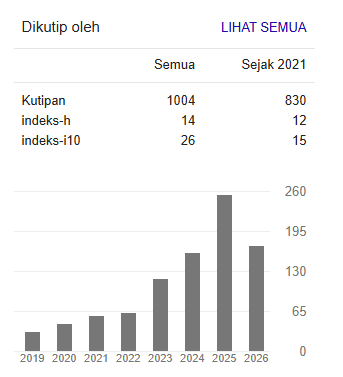
Google Scholar Citations
Journal Tools


Current Issue


Information
MAPS